Key Guidelines for Trust Distribution Minutes
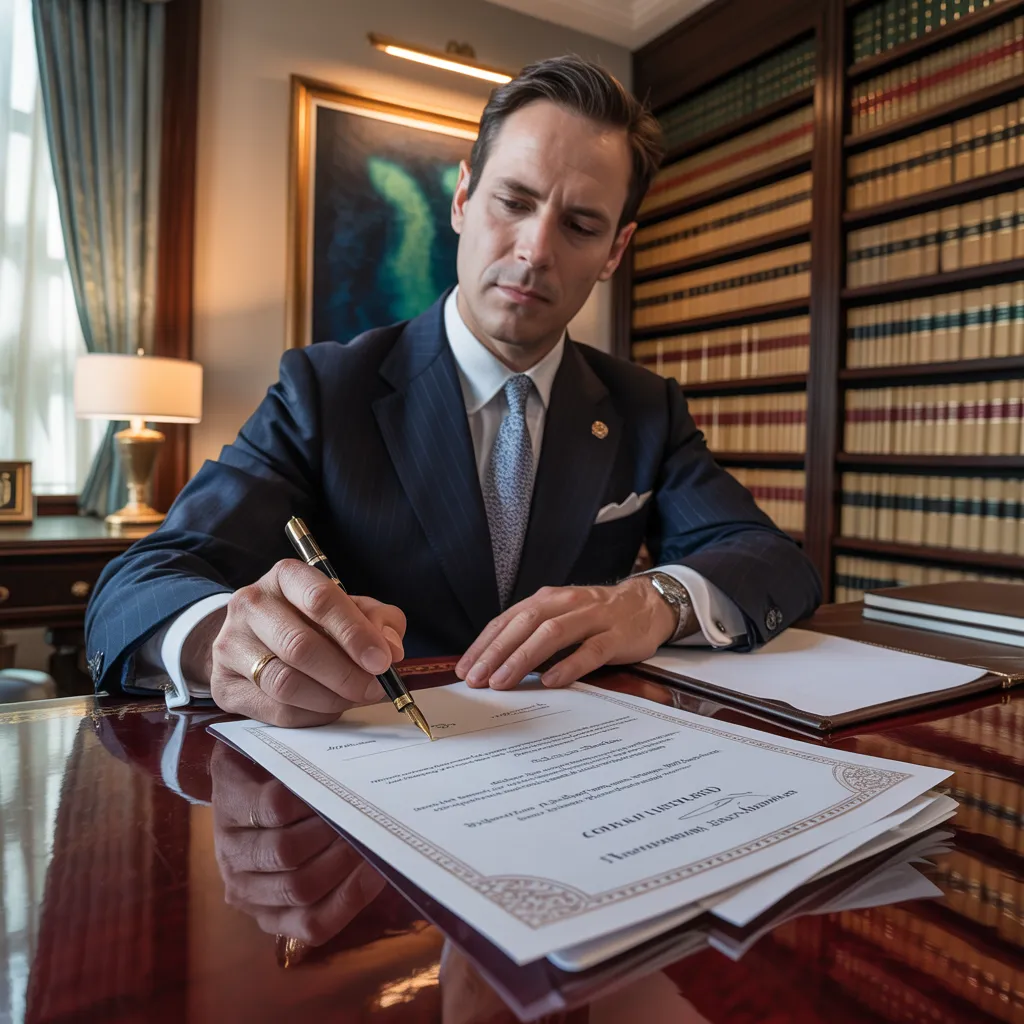
Trust distribution minutes serve as a vital component in effective trust management. They serve as a official record of decisions made regarding asset allocations and guarantee openness among interested parties. A well-structured method not only explains the allocation process but also fosters accountability. Nevertheless, many trustees miss key practices that could improve these minutes. Understanding these optimal approaches can greatly impact the efficiency of trust administration and the satisfaction of beneficiaries. What are these essential practices?
Why Trust Distribution Records Matter: Important Advantages for Trustees
Though trust distribution minutes may look like nothing more than a standard procedure, they offer vital purposes for trustees. These minutes function as official records detailing decisions made regarding distributions, supporting transparency and accountability. By noting the reasoning behind each distribution, trustees can fortify themselves from potential disputes or legal challenges in the future.
Furthermore, fiduciary allocation proceedings facilitate exchange among beneficiaries and trustees, nurturing assurance and awareness. They provide a distinct outline of the trust's financial position and distribution explanation, which can tend to manage beneficiary expectations.
Furthermore, detailed minutes serve as a benchmark for future decisions, enabling trustees to copyright consistency in their decisions. In the end, the careful documentation of these minutes aids in upholding fiduciary responsibilities, strengthening the integrity of the trust administration process. In this manner, neglecting this practice can result in confusion and difficulties that might have been easily avoided.
Critical Features of Trust Distribution Minutes
The fundamental components of trust distribution minutes play an crucial part in guaranteeing efficient management and transparency. Primary session participants must be clearly recognized, while thorough dissemination guidelines provide a framework for decision-making. Furthermore, explicit documentation procedures are vital for preserving accurate records and enabling future reference.
Main Gathering Participants
Effective trust distribution meetings demand the engagement of key stakeholders who contribute to prudent choices. Primary participants include the fiduciary, who oversees the distribution process, and beneficiaries, whose commentary furnishes crucial information. Legal advisors serve as critical components in maintaining compliance with relevant laws and regulations, while financial experts deliver analysis on the trust's asset management and distribution outcomes. Additionally, any co-trustees should be involved to copyright clarity and collaborative decision-making. Stakeholders can feature family members or representatives advocating for the beneficiaries' objectives. Each participant's unique perspective enhances the depth of conversations, confirming that all relevant factors are considered, ultimately producing impartial and proportionate trust distributions.
Complete Supply Regulations
Establishing explicit distribution guidelines is essential for effective trust distribution meetings. These guidelines should outline the criteria for payouts, incorporating eligibility and the exact purposes for which assets may be designated. It is necessary to define the decision-making process, specifying who has the authority to approve payments and how decisions will be communicated to recipients. Moreover, rules should address the schedule of distributions, making certain that recipients have a transparent knowledge of when they can expect to get money. By supplying a structured framework, these standards help decrease miscommunications and guarantee that distributions align with the trust's aims. Sticking to these guidelines cultivates transparency and answerability among trustees and beneficiaries alike.

Transparent Documentation Standards
Rigorous and thorough documentation proves vital for safeguarding understanding in trust distribution meetings. Clear procedural documentation should outline the date, time, and location of the meeting, as well as a list of attendees. Each trust distribution discussed must be set down with detailed particulars, including the amount distributed, the recipient, and the basis behind each decision. Additionally, any agreements or disagreements raised during the meeting should be noted to present a comprehensive accounting of the discussions. It is also essential to define follow-up duties with deadlines to guarantee responsibility. By adopting these documentation approaches, trustees can establish a credible record that enhances transparency and facilitates upcoming decision-making processes. This systematic approach ultimately solidifies the trust's oversight and stakeholder assurance.
Important Guidelines for Formulating Comprehensive Trust Distribution Minutes
Preparing effective trust distribution minutes requires exactness. A clear purpose statement guarantees all parties comprehend the intent behind the distributions, while detailed details about the distributions themselves prevent misunderstandings. These elements are essential for maintaining transparency and responsibility in the trust administration process.
Distinct Goal Statement
A meticulously prepared purpose statement functions as the foundation for well-run trust distribution minutes, providing transparency and clarity throughout the file. This statement should articulate the aims of the trust distribution, giving context for all participants involved. By definitively defining the purpose, it builds a framework that steers discussions and decisions, avoiding ambiguity. It should be complete yet concise, indicating the objectives of the trust and the plans behind the distributions. Including a purpose statement not only encourages transparency but also improves accountability among trustees and beneficiaries. A well-defined purpose statement creates the atmosphere for the meeting, allowing participants to match their contributions with the primary objectives of the trust, ultimately resulting in more productive outcomes.
Precise Distribution Information
Clear and concise distribution details are fundamental for accurate trust distribution minutes. These details should cover the names and relationships of beneficiaries, specific amounts or percentages to be distributed, and the date of distribution. Accurate records prevent misunderstandings and disputes, making certain all parties are informed about their entitlements. In addition, it is beneficial to reference the trust document to confirm the distribution decisions made. source Each entry should be dated and signed by relevant parties to improve accountability. Implementing a structured format can support clarity, facilitating easy reference in the future. By following these practices, trustees can copyright transparency, building trust among beneficiaries while protecting against potential legal challenges. Accurate documentation strengthens the integrity of the trust administration process.
Sustaining and Updating Trust Distribution Records: Best Guidelines
Efficient handling of trust distribution records is crucial for upholding transparency and compliance. Regularly modifying these records is necessary to reflect any changes in distribution decisions, beneficiary information, or legal requirements. Implementing a organized timeline for reviewing and revising records helps maintain accuracy and relevance.
Utilizing electronic tools can improve record-keeping effectiveness, enabling easy access and retrieval of information. Secure storage solutions, both manual and electronic, should be employed to protect sensitive data from unauthorized access.
Furthermore, documentation should be well-structured and transparent, with each entry offering adequate detail to support the decisions made. This includes noting the date of distributions, amounts, and the reasoning behind each decision.
Training staff involved in fiduciary administration on industry standards guarantees consistency and reduces the likelihood of mistakes. By adhering to these guidelines, fiduciaries can maintain their legal obligations efficiently.
Prevent These Widespread Errors in Trust Preparation
Steering trust documentation requires carefulness to avoid typical mistakes that can undermine its reliability. One frequent mistake is the failure to document decisions clearly and promptly. Inadequate records can lead to confusion and disputes among beneficiaries. Additionally, unclear terminology can create confusion; using exact, consistent language is essential for clarity. Another typical error is neglecting to include all relevant parties in discussions, which can result in incomplete records and a lack of transparency.
Additionally, disregarding statutory obligations and trust law modifications can compromise the trust's validity. Neglecting to review and update documentation regularly may also lead to stale or incorrect data. Ultimately, not providing sufficient context for decisions can hinder future trustees' understanding of the trust's intent. By steering clear of these errors, trustees can guarantee that trust documents stay strong and dependable, thereby safeguarding the interests of all involved parties.
Strengthening Communication Among Participants Through Written Notes
Documenting meeting minutes acts as an essential instrument for enhancing communication among beneficiaries in a trust. By documenting the discussions, outcomes, and action items, minutes supply a unambiguous record that all parties can refer to. This practice ensures that beneficiaries remain informed about the trust's status and the rationale behind key decisions.
Effective minutes can promote transparency, decreasing misunderstandings and potential conflicts among parties. By distributing these records promptly after meetings, all parties can remain in sync on expectations and duties. Additionally, well-structured minutes promote engagement, allowing parties to feel involved in the trust's administration.
Regularly examining and disseminating these documents not only encourages accountability but also operates as a historical archive that beneficiaries can review in the future. Ultimately, strengthening communication through minutes is critical to sustaining trust and cooperation among beneficiaries, promoting a smoother distribution process.
Common Asked Questions
How Often Should Trust Distribution Minutes Be Updated?
Trust distribution notes should be revised on a consistent basis, ideally after each distribution or significant decision, to guarantee accurate records. Consistency in record-keeping facilitates openness and helps preserve confidence among beneficiaries and trustees throughout the process.
Can Beneficiaries Request Duplicates of Trust Distribution Minutes?
Beneficiaries can ask for duplicates of trust distribution records, as transparency is generally encouraged within trust administration. However, the ability to obtain these records may rely on the particular provisions stated in the trust agreement.
What Results if Minutes Are Not Recorded?
When trust documentation records are not properly documented, it may create confusion among beneficiaries, potential disputes regarding distributions, and difficulties in confirming adherence to trust provisions, ultimately endangering the trust's integrity and administration.
Are Trust Distribution Minutes Subject to Mandatory Standards?
Yes, legal requirements for trust distribution minutes are in place, often differing by jurisdiction. Accurate records ensures compliance with regulations and safeguards trustees from liability, emphasizing the importance of maintaining accurate and thorough records during trust distributions.
Who Is Liable for Documenting the Minutes?
A trustee typically bears duty to draft the minutes. The person must precisely document resolutions pertaining to trust payouts, ensuring compliance with legal requirements and maintaining transparency for beneficiaries and future reference.